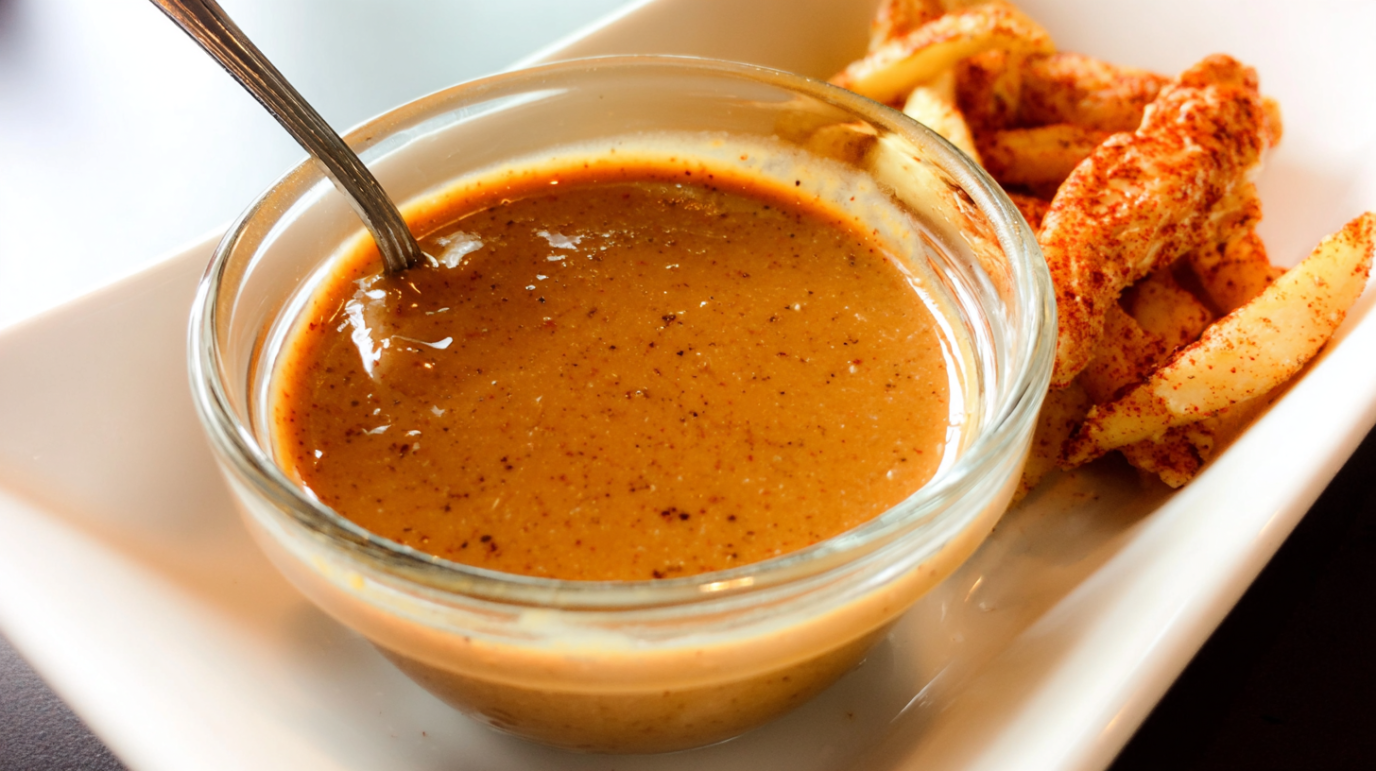
Unlock Unrivaled Flavor: Authentic Homemade Peanut Sauce That Outshines Store-Bought
Forget the mediocre, preservative-laden bottles lurking in the back of your pantry. It's time to discover the rich, vibrant, and utterly delicious world of homemade peanut sauce. This isn't just a recipe; it's an invitation to elevate your culinary creations, offering a depth of flavor and freshness that store-bought versions simply can't match. If you've ever wondered
how to make peanut dipping sauce that truly sings, you're in the right place. From enhancing simple spring rolls to transforming grilled proteins and vegetables, this versatile sauce is about to become your new kitchen essential.
Why Homemade Peanut Sauce Is Always Better
The allure of a good peanut sauce lies in its delicate balance of sweet, savory, spicy, and tangy notes, all enveloped in a creamy texture. While convenient, store-bought options often compromise on this intricate harmony. They typically rely on excessive sugar, artificial flavors, and preservatives to achieve shelf stability, sacrificing the authentic taste and fresh aromatics that make peanut sauce so captivating.
When you learn
how to make peanut dipping sauce from scratch, you gain complete control over the quality of ingredients and the flavor profile. You can choose natural peanut butter without added sugars, fresh garlic and ginger, and adjust the spice level to your exact preference. The result? A sauce that’s not only healthier but bursts with a complexity and freshness that will have your taste buds dancing. It’s a game-changer for anyone who appreciates real food and genuine flavor.
The Core Ingredients: Crafting Your Perfect Peanut Sauce
Creating an exceptional homemade peanut sauce begins with understanding the role each ingredient plays. Think of it as building a symphony of flavors, where every component contributes to the harmonious whole.
The Essential Base: Creamy Peanut Butter
At the heart of any great peanut sauce is, of course, peanut butter. For the best results, opt for a
smooth, natural peanut butter with minimal ingredients – ideally just peanuts and salt. Avoid brands with added sugars or oils, as these can throw off the delicate balance of your sauce. If you do use a commercial brand with added sugar, be prepared to adjust the amount of sweetener you add later.
Sweetness and Umami: Brown Sugar, Honey, Soy Sauce & Fish Sauce
These ingredients provide the foundational savory and sweet elements.
- Brown Sugar or Honey: Both offer a beautiful caramel-like sweetness that balances the other bold flavors. Brown sugar provides a deeper molasses note, while honey adds a subtle floral sweetness. Choose according to your preference!
- Soy Sauce (or Tamari): Essential for umami and a salty depth. Reduced-sodium versions are great for allowing you to adjust saltiness manually. For gluten-free options, tamari is an excellent substitute.
- Fish Sauce (Optional but Recommended): A secret weapon for adding an incredible layer of savory depth and authentic Southeast Asian flavor. Even a small amount can transform the sauce, providing a robust umami that's hard to replicate. If you prefer to omit it for dietary reasons, your sauce will still be delicious, but a little different.
A Touch of Tang & Spice: Lime Juice, Rice Vinegar & Sriracha/Red Pepper Flakes
Acid and heat are crucial for brightening the sauce and adding an invigorating kick.
- Fresh Lime Juice or Rice Vinegar: These acidic components cut through the richness of the peanut butter, preventing the sauce from becoming too heavy. Fresh lime juice offers a vibrant, zesty lift, while rice vinegar provides a milder, slightly sweet tang.
- Sriracha or Red Pepper Flakes: For that irresistible spicy warmth. Start with a small amount and taste as you go. You can always add more, but you can't take it away!
Aromatics and Richness: Garlic, Ginger & Sesame Oil
These ingredients provide layers of aromatic complexity and a luxurious mouthfeel.
- Fresh Garlic: Minced garlic offers a pungent, savory base. Fresh is always best for maximum impact.
- Fresh Ginger (Optional): Grated fresh ginger adds a wonderfully bright, peppery, and slightly sweet warmth. If fresh isn't available, a tiny pinch of ground ginger can be used, but fresh truly elevates the flavor.
- Toasted Sesame Oil: A finishing touch that adds a nutty, earthy aroma and a silky texture. A little goes a long way.
How to Make Peanut Dipping Sauce: A Simple Step-by-Step Guide
One of the most appealing aspects of this homemade peanut sauce is its incredible simplicity and speed. You can literally have it ready in minutes, making it perfect for last-minute meal enhancements or spontaneous entertaining. Many versions can be prepared in a flash, as detailed in this
Easy 5-Minute Homemade Peanut Dipping Sauce guide. Here’s how to whip up your own batch:
- Combine the Base Ingredients: In a medium mixing bowl, add your ¾ cup of smooth natural peanut butter.
- Whisk in the Aromatics and Flavorings: To the peanut butter, add 2 cloves of minced garlic (and 1½ teaspoons grated fresh ginger, if using), 2 tablespoons of brown sugar, 1 tablespoon of fish sauce, 2 teaspoons of soy sauce (or tamari), and 2 teaspoons of toasted sesame oil. Whisk everything together thoroughly until it forms a thick, uniform paste.
- Introduce Acidity and Spice: Stir in the juice of ½ a lime (or ¼ cup rice vinegar) and 1 teaspoon of Sriracha (or ¼ teaspoon red pepper flakes), or more to taste. Continue whisking.
- Achieve Desired Consistency: This is where the magic happens for smoothness.
- Method 1 (For Maximum Creaminess): In a small saucepan, gently heat about 1 cup of coconut milk until it just begins to simmer. Pour the hot coconut milk gradually over your peanut butter mixture, whisking continuously until the sauce is smooth and reaches your desired thickness.
- Method 2 (For Quick & Easy): For a quicker method, gradually whisk in 2-4 tablespoons of warm water or additional coconut milk (at room temperature) until you achieve your preferred consistency. This is perfect for those times you need it in literally 5 minutes.
- Taste and Adjust: This is arguably the most crucial step! Taste your sauce. Does it need more sweetness? A little more tang? A spicier kick? Adjust brown sugar, lime juice, or Sriracha as needed until it perfectly suits your palate.
- Garnish and Serve: Transfer your glorious homemade peanut sauce to a serving bowl. Garnish with chopped fresh cilantro, chopped roasted peanuts, and a sprinkle of red bell pepper or chili flakes for extra flair and texture.
Beyond the Dip: Creative Uses for Your Homemade Peanut Sauce
While undeniably excellent as a dipping sauce for spring rolls, satay, or fresh vegetables, the true beauty of homemade peanut sauce lies in its incredible versatility. It can transform ordinary meals into extraordinary culinary experiences. For even more ideas, check out this comprehensive guide on
Versatile Peanut Dipping Sauce: Beyond Just a Dip.
Marinades & Dressings
- Grilled Meats & Vegetables: Marinate chicken, pork, tofu, or your favorite veggies in a slightly thinned peanut sauce before grilling or baking. The flavors infuse deeply, creating tender, flavorful dishes.
- Salad Dressing: Thin the sauce with a little extra lime juice or water to create a creamy, flavorful dressing for Asian-inspired salads, grain bowls, or even simple green salads.
Stir-Fries & Noodles
- Noodle Bowls: Toss warm noodles (rice noodles, soba, or even spaghetti) with peanut sauce, a medley of sautéed vegetables, and a protein for a quick and satisfying meal.
- Stir-Fry Sauce: Use it as a rich, savory sauce base for your next stir-fry. Add it in the last few minutes of cooking to coat all the ingredients.
Elevating Everyday Meals
- Sandwich & Wrap Spread: Swap out mayonnaise or mustard for a thin layer of peanut sauce in your sandwiches or wraps for an unexpected flavor boost.
- Sushi Sauce Alternative: Ditch the soy sauce and wasabi for a creamy peanut sauce alongside your homemade sushi rolls.
- Baked Potato Topping: For a uniquely savory and satisfying side, drizzle over baked sweet potatoes or regular potatoes.
Expert Tips for Peanut Sauce Perfection
To truly master your homemade peanut sauce, keep these practical tips in mind:
- Adjusting Consistency: If your sauce is too thick (which often happens after it's been in the fridge), simply thin it with a little hot water, warm coconut milk, or even a splash of lime juice until it reaches your desired consistency.
- Make Ahead Magic: This sauce is a fantastic make-ahead component. Prepare a batch on the weekend and store it in an airtight container in the refrigerator for up to 5-7 days. The flavors actually deepen over time!
- Ingredient Quality Matters: Using fresh ingredients, especially garlic and lime juice, makes a noticeable difference in the final taste.
- Personalize Your Spice: Don't be afraid to experiment with different chili sauces (like sambal oelek) or fresh chilies if you love a bolder heat. Conversely, if you're sensitive to spice, omit the Sriracha or use just a tiny dash.
- Garnish for Impact: Garnishes aren't just for looks! Chopped roasted peanuts add a delightful crunch, fresh cilantro provides herbaceous freshness, and a sprinkle of red pepper flakes offers a visual hint of spice.
By following these guidelines and experimenting with flavors, you'll be well on your way to creating a homemade peanut sauce that not only surpasses any store-bought alternative but also becomes a signature staple in your kitchen.
This authentic homemade peanut sauce is more than just a condiment; it's a testament to the power of fresh ingredients and simple techniques. By taking the few extra minutes to make it from scratch, you unlock unparalleled flavors, control over ingredients, and a versatility that will transform your cooking. So, go ahead, gather your ingredients, and discover the truly superior taste of homemade. Your palate will thank you.