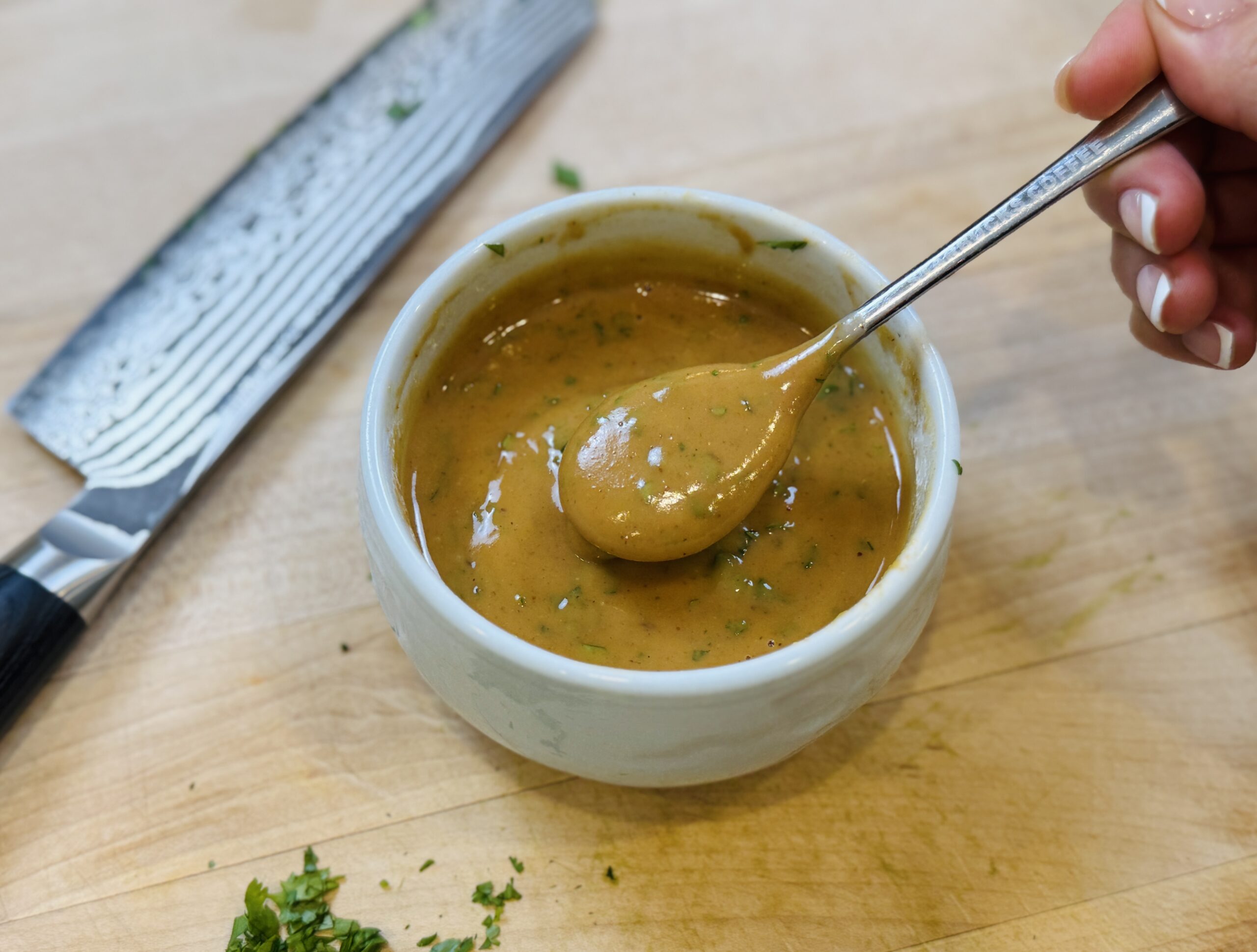
The humble peanut, transformed into a creamy, flavorful sauce, is an unsung hero in the culinary world. More than just a simple condiment, a well-crafted homemade peanut dipping sauce offers an incredible depth of flavor that can elevate a vast array of dishes, taking them from ordinary to extraordinary. Forget bland, preservative-laden store-bought versions; learning how to make peanut dipping sauce at home opens up a world of fresh, customizable taste experiences that extend far beyond mere dipping.
This article will guide you through the art of creating a rich, balanced, and incredibly versatile peanut sauce, offering insights into its essential ingredients, the simple process, and a wealth of creative uses. Prepare to discover the secret to a sauce that balances savory, sweet, spicy, and tangy notes, ready to become a staple in your kitchen.
The Secret Behind the Best Homemade Peanut Dipping Sauce
At its heart, a great peanut sauce is a symphony of contrasting flavors working in harmony. It’s about achieving that perfect balance where no single element overpowers the others, creating a truly addictive taste sensation. Making it from scratch puts you in complete control, allowing you to tailor every nuance to your personal preference.
Why Homemade Trumps Store-Bought Every Time
The primary advantage of a homemade peanut sauce lies in its freshness and the quality of ingredients. Commercial sauces often rely on excessive sugar, unhealthy oils, and artificial preservatives to achieve shelf stability. When you make your own, you're using natural, wholesome ingredients, ensuring a more vibrant and authentic flavor profile.
- Control Over Ingredients: Choose natural peanut butter with no added sugar, select your preferred sweetener, and adjust the sodium levels.
- No Preservatives: Enjoy a sauce free from artificial additives, tasting pure and clean.
- Customizable Flavor: Easily tweak the sweetness, heat, saltiness, or acidity to perfectly match your palate or the dish it accompanies.
- Adjustable Consistency: From a thick dip to a thin drizzle or marinade, you dictate the texture.
Understanding the Flavor Profile: A Symphony of Tastes
A truly exceptional peanut sauce masterfully blends several key flavor components:
- Creamy Richness: Provided by the peanut butter itself, forming the backbone of the sauce.
- Sweetness: Often from brown sugar or honey, balancing the savory and spicy elements.
- Savory Depth: Achieved through ingredients like soy sauce, tamari, or fish sauce, adding umami.
- Tangy Brightness: From lime juice or rice vinegar, cutting through the richness and lifting the flavors.
- Aromatic Zing: Garlic and fresh ginger contribute essential fragrant notes.
- Subtle Heat: Sriracha or red pepper flakes add a pleasant warmth without overwhelming.
Mastering the Ingredients: Your Peanut Dipping Sauce Essentials
The beauty of this recipe lies in its simplicity and the common availability of its core ingredients. Here’s a breakdown of what you’ll need and why each component is crucial when learning how to make peanut dipping sauce.
The Core Components for a Perfect Peanut Sauce
- Smooth Natural Peanut Butter (¾ cup): This is the foundation. Opt for natural varieties that contain only peanuts and perhaps a touch of salt. Name-brand peanut butters with added sugars will require you to adjust the sweetener later. While smooth is traditional for texture, some prefer the slight crunch of chunky.
- Garlic (2-3 cloves, minced/pressed): Fresh garlic is essential for its pungent, aromatic kick.
- Sweetener (2-3 tablespoons brown sugar or honey): Brown sugar lends a caramel-like depth, while honey offers a more floral sweetness. Adjust to taste depending on your peanut butter.
- Soy Sauce or Reduced-Sodium Tamari (2 teaspoons - ⅓ cup): Provides the salty, umami backbone. Tamari is a gluten-free alternative to soy sauce.
- Fish Sauce (1 tablespoon, optional): For an authentic Thai-inspired flavor, fish sauce adds an unparalleled savory, umami depth. If omitting, slightly increase soy sauce.
- Toasted Sesame Oil (2 teaspoons): A small amount adds a wonderfully nutty, aromatic fragrance.
- Acid (½ lime, juiced or ¼ cup rice vinegar): Lime juice provides a fresh, bright tang. Rice vinegar offers a milder, slightly sweeter acidity. Choose based on your desired flavor profile.
- Heat (1-2 teaspoons Sriracha or ¼ teaspoon red pepper flakes): Adjust according to your spice preference. Sriracha offers a smoother heat, while red pepper flakes provide visual appeal and a more direct kick.
- Fresh Grated Ginger (1 ½ teaspoons, optional but recommended): Adds a fresh, zesty warmth that complements the other aromatics.
The Liquid Element: Achieving Perfect Consistency
- Coconut Milk (1 (5.6 ounce) can or 2-4 tablespoons): For a rich, creamy, and distinctly Southeast Asian profile, full-fat coconut milk is ideal. Warming it helps it emulsify smoothly with the peanut butter.
- Water (2-4 tablespoons, or as needed): If you prefer a lighter sauce or are just thinning it down, hot water works perfectly.
Optional Enhancements and Garnishes for Extra Flair
These not only add visual appeal but also textural and flavor contrasts.
- Chopped roasted peanuts
- Fresh cilantro leaves
- Thinly sliced green onions
- Chopped red bell pepper (adds color and a fresh crunch)
- Lime wedges for serving (for an extra squeeze of brightness)
How to Make Peanut Dipping Sauce: Your Step-by-Step Guide
Creating this delicious sauce is surprisingly quick and simple, often taking less than 10 minutes from start to finish. Here’s your comprehensive guide on how to make peanut dipping sauce that tastes utterly amazing:
Step-by-Step Instructions
- Combine the Base Ingredients: In a medium-sized mixing bowl or a 2-cup liquid measuring cup, add the ¾ cup smooth natural peanut butter, minced garlic, brown sugar (or honey), soy sauce (or tamari), fish sauce (if using), toasted sesame oil, lime juice (or rice vinegar), Sriracha (or red pepper flakes), and grated ginger (if using).
- Whisk Until Combined: Vigorously whisk all these ingredients together. The mixture will be quite thick and pasty at this stage. Ensure all components are thoroughly incorporated.
- Prepare the Liquid: If using coconut milk, pour the 5.6-ounce can into a small saucepan and bring it to a gentle simmer over medium heat. If using water, simply warm 2-4 tablespoons until hot.
- Achieve Desired Consistency: Pour the hot coconut milk (or warm water) gradually over the peanut butter mixture while continuously whisking. Start with about half the liquid, then add more as needed until the sauce reaches your desired smoothness and thickness. For a thicker dip, use less liquid; for a drizzly dressing, use more.
- Taste and Adjust: This is a crucial step! Taste the sauce and adjust any elements to your liking. Does it need more sweetness? Add a pinch more sugar or honey. More tang? A little more lime juice or vinegar. Spicier? A dash more Sriracha. Saltier? A splash more soy or fish sauce. Remember, it's a template for your palate!
- Serve and Garnish: Transfer the finished sauce to a serving bowl. Garnish generously with chopped peanuts, fresh cilantro, sliced green onions, and chopped red bell pepper. Serve immediately, or refrigerate for later.
Tips for Perfect Consistency and Flavor Adjustment
- Thinning Ahead of Time: If you make the sauce ahead and it thickens in the fridge, simply thin it with a little hot water or a splash of warm coconut milk until it reaches your desired consistency again.
- No-Sugar Peanut Butter: If using natural peanut butter with no added sugar, you might need to increase your sweetener slightly. Conversely, if using a sweeter, processed peanut butter, reduce the sugar in the recipe.
- Blending for Ultimate Smoothness: For an exceptionally smooth and creamy sauce, especially if using chunky peanut butter or struggling with lumps, you can briefly blend all ingredients in a food processor or blender after combining.
Beyond the Dip: Versatile Uses for Your Peanut Sauce
While often associated with spring rolls and satay, this versatile peanut sauce is truly a culinary chameleon. Its rich flavor profile allows it to transcend traditional dipping, transforming into a star ingredient across many dishes.
Appetizers and Snacks
- Spring Rolls & Summer Rolls: The classic pairing. The sauce perfectly complements fresh vegetables and shrimp.
- Satay Skewers: Whether beef, chicken, pork, or tofu, grilled satay skewers are incomplete without a generous coating or dip in peanut sauce.
- Vegetable Dipper: Elevate a simple platter of carrots, cucumbers, bell peppers, and celery sticks.
- Pretzel Dip: A surprisingly delicious sweet and savory twist for pretzels.
Main Courses
- Marinade for Grilled Meats and Tofu: Its thick consistency and bold flavors make it an exceptional marinade. Use it on chicken, pork, beef, or firm tofu before grilling or baking. The sugars will caramelize beautifully.
- Salad Dressing: Thin it slightly with a little extra water or lime juice to create a creamy, flavorful dressing for green salads, pasta salads, or grain bowls.
- Noodle Bowls: Toss warm or cold noodles with a generous amount of peanut sauce for a quick and satisfying meal. Add your favorite proteins and vegetables.
- Stir-Fry Sauce: Incorporate it into your stir-fries towards the end of cooking for a rich, flavorful coating.
- Grain Bowls & Buddha Bowls: Drizzle over a bowl of quinoa, rice, roasted vegetables, and your protein of choice.
Creative Culinary Applications
- Sandwich or Wrap Spread: Ditch the mayo and use peanut sauce for an Asian-inspired sandwich or wrap.
- Burger Topping: Spread on a burger bun for a unique and flavorful twist.
- Pizza Base: For an unconventional, but delicious, Thai-style peanut chicken pizza.
For even more quick ideas, check out our guide on Easy 5-Minute Homemade Peanut Dipping Sauce.
Storing Your Homemade Peanut Dipping Sauce
One of the best things about this sauce is that it can be made ahead of time, allowing flavors to meld and deepen.
- Refrigeration: Store leftover peanut sauce in an airtight container in the refrigerator for up to 5-7 days.
- Thickening: The sauce will naturally thicken in the refrigerator. Before serving, you might need to thin it out with a tablespoon or two of hot water or warm coconut milk until it reaches your desired consistency. Stir well until smooth.
To truly appreciate the difference from store-bought options, learn more in Authentic Homemade Peanut Sauce: Better Than Store-Bought.
Mastering how to make peanut dipping sauce is a simple yet profoundly rewarding culinary skill. It provides an instant upgrade to countless dishes, bringing a burst of complex, vibrant flavors to your table. From a zesty dip for fresh spring rolls to a rich marinade for grilled satay, or even a creamy dressing for your favorite salad, this versatile sauce is sure to become a cherished recipe in your repertoire. So, gather your ingredients, whisk up a batch, and prepare to embark on a delicious journey beyond just a dip!
